The real cost of Производство фильтров для воды: hidden expenses revealed
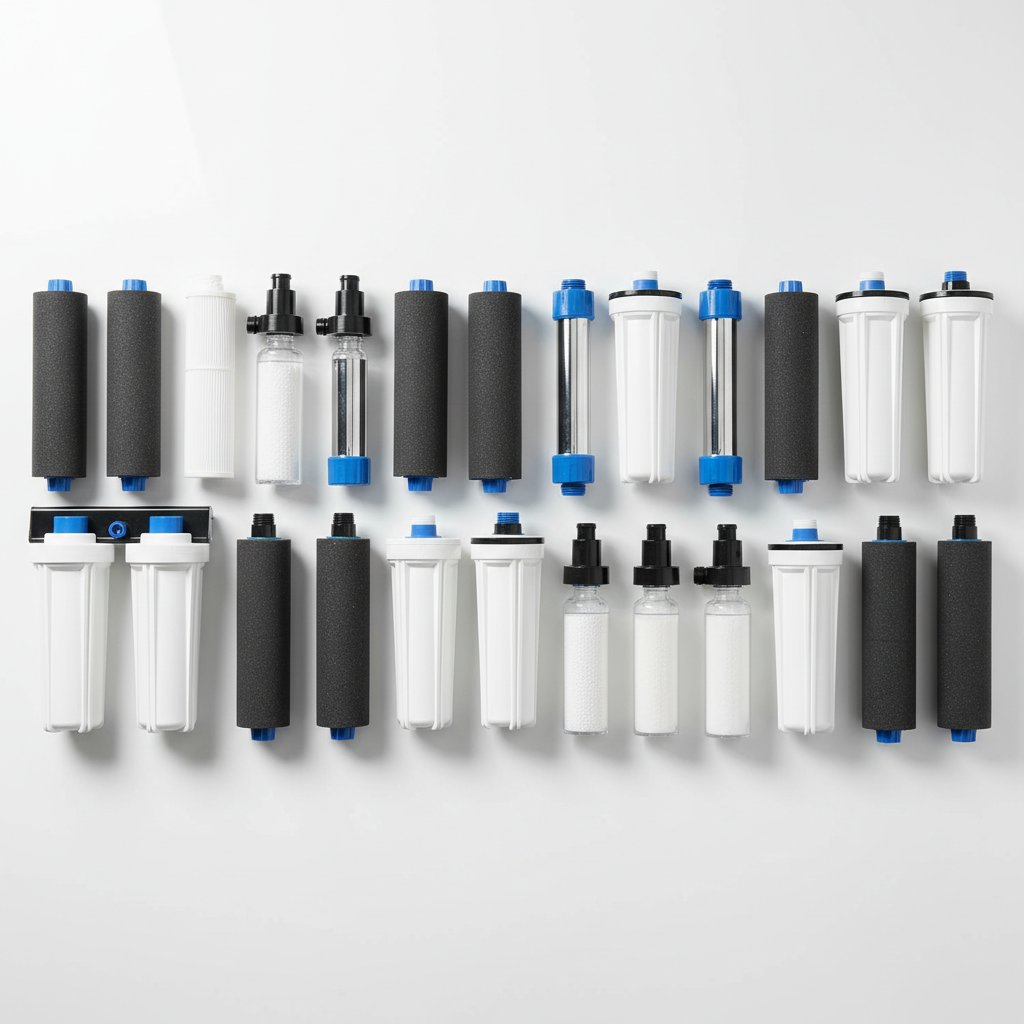
The $47,000 Filter That Almost Bankrupted a Startup
Last spring, a promising water filter manufacturer in Moscow thought they had their costs dialed in. They'd calculated materials, labor, facility expenses—the whole nine yards. Then came the surprise: their first production run cost 340% more than projected. The culprit? Hidden expenses they never saw coming.
This isn't some cautionary tale from a poorly managed operation. It's the reality of water filter manufacturing, where the real costs lurk beneath the surface like an iceberg waiting to sink your budget.
Beyond the Obvious: What Your Spreadsheet Isn't Telling You
Most people entering the water filtration production game focus on the big-ticket items. Activated carbon costs around $2,200-$3,500 per ton. Ion exchange resins run $4,800-$12,000 per cubic meter depending on quality. Polypropylene housings seem straightforward at $1.20-$3.50 per unit.
But here's where things get interesting.
The actual material costs typically represent only 35-45% of your total production expenses. That remaining 55-65%? That's where manufacturers either make it or break it.
The Certification Money Pit
Getting your filters certified isn't a one-and-done expense. NSF/ANSI certification alone runs $15,000-$40,000 per filter model. Russian GOST certification adds another $8,000-$25,000. European markets? Tack on CE marking costs.
But here's the kicker: these certifications expire. You're looking at recertification every 3-5 years, plus additional testing whenever you modify materials or change suppliers. One manufacturer I spoke with spent $73,000 in a single year just maintaining their certification portfolio across different markets.
Quality Control: The Silent Budget Killer
You can't just manufacture filters and hope they work. Each production batch needs testing. We're talking about:
- Flow rate testing equipment: $12,000-$35,000 initial investment
- Microbial testing: $150-$400 per batch
- Chemical contamination analysis: $300-$800 per sample
- Pressure integrity testing: $200-$500 per production run
A mid-sized operation running 20 production batches monthly can easily burn through $180,000 annually just on quality control. Miss this in your initial projections, and you're underwater before you ship your first pallet.
The Hidden Labor Multiplier
Your production line worker costs more than their salary. Much more.
Direct wages might be 30,000-45,000 rubles monthly in Russia's industrial regions. But add mandatory social contributions (30% in Russia), training programs, safety equipment, insurance, and turnover costs, and you're looking at a 1.6x to 2.1x multiplier on base wages.
One Novosibirsk-based manufacturer calculated their true cost per production employee at 89,000 rubles monthly when all factors were included—nearly double their initial budget projections.
The Waste Nobody Talks About
Filter production generates more waste than you'd think. Reject rates for precision-molded components typically run 3-7% even in well-managed facilities. Carbon dust, defective membranes, failed housings—it all adds up.
But disposal isn't free. Activated carbon waste requires special handling. Chemical residues from membrane manufacturing need proper treatment. One facility reported spending $28,000 annually just on waste disposal—an expense completely absent from their original business plan.
The Maintenance Trap
Production equipment breaks. Injection molding machines need servicing every 2,000 hours. Ultrasonic welders require calibration. Automated assembly lines jam.
Smart manufacturers budget 4-6% of equipment value annually for maintenance. A $400,000 production line? Plan on $16,000-$24,000 yearly just keeping it running. Parts, technician visits, downtime costs—they're all real money walking out the door.
What the Survivors Do Differently
Profitable manufacturers build in 18-22% contingency buffers for unexpected costs. They negotiate volume discounts with raw material suppliers, cutting per-unit costs by 12-15%. They invest in preventive maintenance, reducing emergency repair costs by up to 60%.
Most importantly, they track everything. One successful operation monitors 47 different cost metrics weekly, identifying problems before they become financial disasters.
Key Takeaways
- Material costs represent only 35-45% of total production expenses
- Certification and recertification can cost $80,000+ over a 5-year period
- True labor costs run 1.6x-2.1x base wages when fully loaded
- Quality control typically consumes 8-12% of production budgets
- Successful manufacturers maintain 18-22% contingency reserves
- Waste disposal and equipment maintenance add 5-8% to operating costs
The water filter manufacturing business isn't for the faint of heart or the under-capitalized. But understanding these hidden costs upfront? That's the difference between building a sustainable operation and becoming another cautionary tale.